
Hearing Aid
Ear Machine: A Trusted Guide to Modern Hearing Aids
Jan
Summary
An ear machine, commonly known as a hearing aid, is a medical device designed to improve hearing by amplifying sounds clearly and comfortably. With advancements in digital technology, today’s ear machines are discreet, intelligent, and customized to individual hearing needs. This guide explains everything you need to know – from how ear machines work to choosing the right one – based on clinically sound hearing-care practices.
Key Takeaways
- An ear machine helps people with hearing loss hear speech and environmental sounds more clearly
- Modern ear machines are digital, programmable, and customized by hearing specialists
- Different types suit different hearing levels, lifestyles, and ear shapes
- Proper fitting and professional evaluation are essential for safe and effective use
- Early use of an ear machine can significantly improve communication and quality of life
Table of Contents
What Is an Ear Machine?
An ear machine is a commonly used term for a hearing aid, a medically approved device that helps individuals with hearing loss hear better in daily situations. It works by capturing sound, processing it digitally, and delivering clearer audio into the ear.
Hearing loss can develop gradually due to aging, noise exposure, infections, or medical conditions. An ear machine does not cure hearing loss, but it significantly improves hearing ability, speech understanding, and overall communication.
Used correctly and fitted by a qualified hearing professional, an ear machine becomes an essential part of long-term hearing care and overall well-being.
How an Ear Machine Works
Sound Capture and Amplification
An ear machine uses tiny microphones to pick up sounds from the surrounding environment. These sounds are converted into digital signals and adjusted based on the user’s hearing profile.
Digital Sound Processing
Modern ear machines analyze speech and background noise separately. This allows speech sounds to be enhanced while reducing unwanted noise, improving clarity in conversations.
Sound Delivery to the Ear
The processed sound is delivered through a receiver into the ear canal at a safe and comfortable level, customized to the user’s hearing loss pattern.
Who Needs an Ear Machine?
People with Difficulty Hearing Conversations
If speech sounds unclear, especially in group settings or noisy environments, it may indicate hearing loss that can benefit from an ear machine.
Individuals with Tinnitus or Ringing in the Ears
Many people with hearing loss experience tinnitus. Certain ear machines help reduce its perception by improving sound input.
Adults with Age-Related Hearing Changes
Hearing ability often declines gradually with age. Early use of an ear machine helps maintain communication and cognitive health.
Types of Ear Machines
Behind-the-Ear (BTE) Ear Machines
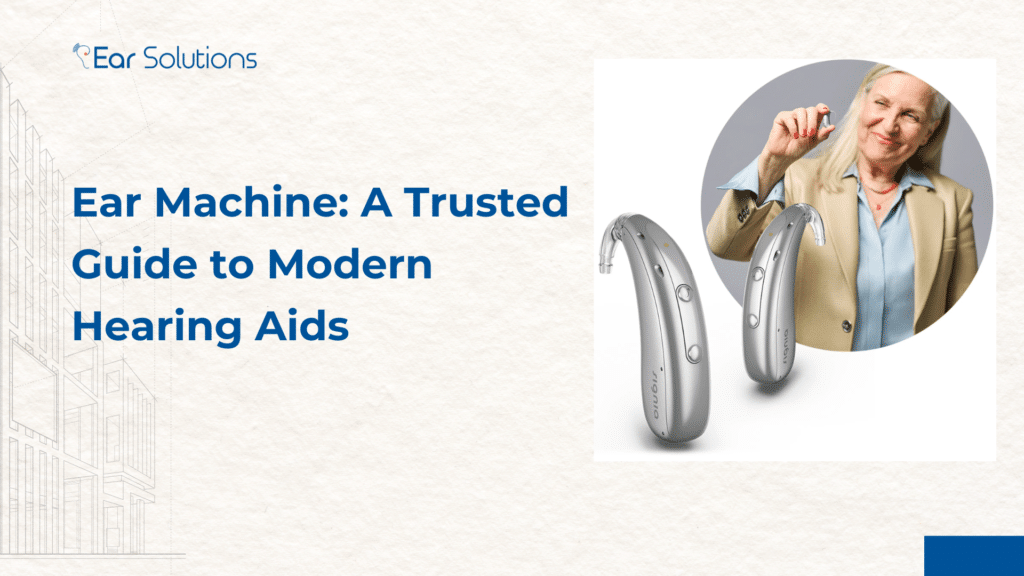
These devices sit behind the ear and are connected to an ear mould or soft tip. They are suitable for mild to profound hearing loss and are known for durability and power.
Receiver-in-Canal (RIC) Ear Machines
RIC ear machines are smaller and more discreet than traditional BTE models. They offer excellent sound quality and are commonly recommended for adults with mild to severe hearing loss.
In-the-Ear (ITE) Ear Machines
Custom-made to fit the outer ear, ITE models are easy to handle and suitable for users who prefer a single-unit design.
Completely-in-Canal (CIC) Ear Machines
These are placed deep inside the ear canal, making them nearly invisible. They are suitable for specific hearing profiles and require professional evaluation for proper fitting.
Key Features in Modern Ear Machines
Noise Reduction and Speech Enhancement
Advanced invisible ear machines automatically adjust settings to make speech clearer while minimizing background noise.
Feedback Control
Modern devices prevent whistling sounds, ensuring comfort and confidence during use.
Rechargeable Options
Many ear machines now use built-in rechargeable batteries, eliminating the need for frequent battery changes.
Wireless Connectivity
Some models connect seamlessly to smartphones, televisions, and other devices for improved listening experiences.
Benefits of Using an Ear Machine
Using a hearing aid significantly improves overall quality of life by enhancing communication with family members and colleagues, making conversations clearer and more enjoyable. It allows individuals to participate more confidently in social gatherings and professional environments without feeling isolated or left out. With better sound clarity, listening becomes less exhausting, reducing mental strain and fatigue caused by constant effort to hear. Improved hearing also enhances personal safety by enabling users to detect important sounds such as alarms, horns, and warning signals. As a result, individuals experience greater emotional well-being, increased self-confidence, and a more active, independent lifestyle. Early and consistent use of an ear machine is linked to better long-term hearing outcomes.
Ear Machine Price Range
The ear machine price varies depending on the technology level, features, and customization required. Factors such as digital processing, comfort, lifestyle needs, and individual hearing requirements play an important role in determining the final ear machine price.
| Level | Suitable For | Key Highlights | Price (in ₹) |
|---|---|---|---|
|
Basic |
Mild hearing loss, quiet environments |
4 channels, limited noise reduction
|
₹18,999–₹39,999
|
|
Mid-Level |
Active users, moderate hearing loss
|
6–12 channels, basic noise management
|
₹39,999–₹99,999
|
|
Advanced |
Severe hearing loss, Daily speech in varied settings
|
16+ channels, directional mics, Bluetooth connectivity
|
₹1,00,000–₹2,99,999
|
|
Premium |
Profound hearing loss, frequent social interaction
|
22- 24+ channels, AI, waterproof, noise reduction
|
₹3,00,000–₹7,99,990
|
How to Choose the Right Ear Machine
Hearing Evaluation Is Essential
A detailed hearing test conducted by a trained audiologist determines the type and severity of hearing loss.
Lifestyle and Listening Needs
Your daily activities, work environment, and social habits influence the best ear machine choice.
Comfort and Fit
A properly fitted ear machine ensures comfort, better sound quality, and long-term usage success.
Professional Guidance
Hearing devices should always be selected and programmed by qualified hearing care professionals to ensure safety and effectiveness.
Ear Machine Care and Maintenance
Proper care and maintenance of your ear machine are essential to ensure clear sound quality, long device life, and reliable performance. Regularly clean the ear machine with a soft, dry cloth to remove earwax, dust, and moisture that may block sound output. Avoid exposure to water, heat, or humidity, and always remove the device before bathing or sleeping. Store the ear machine in a dry, protective case when not in use, preferably with a dehumidifier. Replace batteries or recharge the device as recommended by the manufacturer, and schedule routine check-ups with your hearing care professional to keep the ear machine functioning at its best.
Conclusion
An ear machine is not just a device – it is a gateway to better communication, confidence, and quality of life. With modern advancements in hearing technology, today’s ear machines are comfortable, effective, and personalized to individual needs. If you or a loved one is experiencing hearing difficulties, timely evaluation and professional guidance can make a life-changing difference. Seeking expert support early ensures safe, reliable, and lasting hearing improvement.
FAQs
An ear machine is used to improve hearing by amplifying sounds for individuals with hearing loss, helping them understand speech more clearly.
Yes, ear machine is a commonly used term for a hearing aid.
Most users adjust within a few weeks with regular use and professional fine-tuning.
Yes, modern ear machines are designed for comfort, ease of use, and clear sound, making them suitable for older adults.
Yes, periodic follow-ups help maintain sound quality, comfort, and long-term performance.

Prerna Singh
Audiologist, Ear Solutions
Prerna Singh is an Audiologist at Ear Solutions, focused on delivering compassionate, patient-centric hearing care. She works closely with individuals to understand their hearing concerns and guide them toward practical, technology-driven solutions that improve everyday communication and confidence.
At Ear Solutions, Prerna supports the organization’s long-standing mission of transforming lives through better hearing. She is committed to hearing awareness, accurate assessments, and continuous patient support-ensuring every individual receives the care they need to hear better and live better, in line with the vision of #AbSabSunenge.