

Hearing Aid, Widex
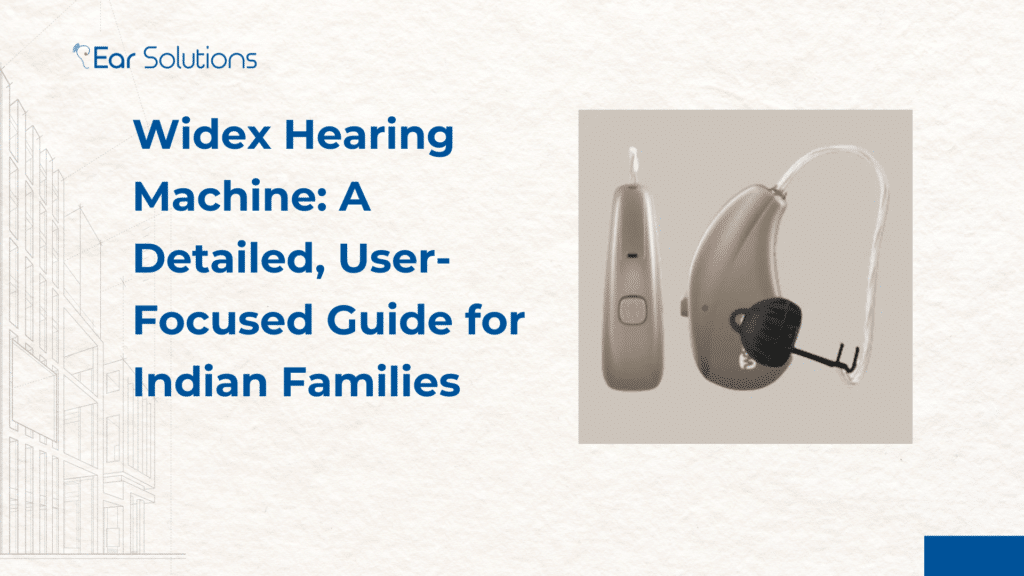
Widex Hearing Machine: A Detailed, User-Focused Guide for Indian Families
Summary
Widex hearing machines are often discussed by people exploring modern hearing-aid technology for everyday listening needs. This article explains what Widex hearing machines are, how they generally work, the types and features commonly associated with them, and what factors people in India usually consider before choosing a hearing aid. The goal is to support informed understanding-without diagnosing hearing conditions or recommending specific devices.
Key Takeaways
- Widex hearing machines are designed to support everyday listening through digital sound processing.
- Different styles and feature sets exist to suit varied hearing needs, lifestyles, and comfort preferences.
- Sound quality, usability, and personal comfort often matter as much as technical features.
- Hearing outcomes vary between individuals and depend on many personal factors.
- A professional hearing evaluation is important before selecting or using any hearing aid.
Table of Contents
What Is a Widex Hearing Machine?
A Widex hearing machine is a digital hearing aid designed to assist people who experience difficulty hearing certain sounds or speech. These devices capture sounds from the environment, process them electronically, and deliver adjusted sound to the ear. Widex hearing machines are commonly discussed for their focus on natural sound perception and everyday listening clarity.
It is important to understand that hearing machines do not restore natural hearing. They are tools that support listening by making sounds more accessible, depending on individual hearing needs, listening environments, and personal comfort.
How Digital Hearing Machines Generally Work
Modern hearing machines, including Widex models, operate using digital signal processing. This means incoming sounds are converted into digital data, analysed, and adjusted before reaching the ear.
In routine hearing-care settings, hearing-care professionals explain this process in three simple steps:
- Sound capture through microphones
- Digital processing to adjust volume and clarity
- Sound delivery into the ear through a receiver
The exact adjustments required vary from person to person and depend on professional hearing assessment results.
Common Types of Widex Hearing Machines
Widex hearing machines are available in multiple physical styles, each designed for different preferences and ear anatomies.
Behind-the-Ear (BTE)
BTE hearing machines sit behind the ear with sound delivered through a thin tube or earmould. They are often chosen for ease of handling and durability.
Receiver-in-Canal (RIC)
RIC styles place the receiver inside the ear canal, connected by a thin wire. Many people find them discreet and comfortable for daily wear.
In-the-Ear (ITE) and In-the-Canal (ITC)
These styles fit partly or fully inside the ear. Suitability depends on ear shape, dexterity, and hearing requirements.
A hearing-care professional generally helps determine which style may be suitable based on comfort, lifestyle, and hearing assessment results.
Sound Processing Approach Explained Simply
Widex hearing machines are often associated with a sound-processing philosophy aimed at preserving natural sound cues. In simple terms, this means:
- Maintaining balanced sound across frequencies
- Reducing unnecessary distortion
- Supporting clearer speech in common listening environments
Based on commonly accepted audiology practices, natural sound perception can help some users feel less fatigued during prolonged listening. However, individual experiences vary widely.
Everyday Listening Situations and Use Cases
People usually explore Widex hearing machines for everyday listening needs such as:
- Conversations with family members
- Small group discussions
- Listening to television at comfortable volumes
- Managing background noise in public places
It is important to note that no hearing machine can fully eliminate background noise. Instead, hearing machines aim to make speech cues more accessible within realistic listening limits.
Connectivity and Modern Lifestyle Features
Many modern Widex hearing machines include connectivity options designed to support contemporary lifestyles.
Wireless Connectivity
Some models allow wireless connection with smartphones, enabling audio streaming or basic adjustments through companion apps.App-Based Controls
Apps may allow users to adjust volume or sound profiles in different environments. These controls are typically supplementary and do not replace professional programming.Compatibility Considerations
Connectivity features depend on device model and user familiarity with technology. Not all users find app-based controls necessary or comfortable.
Comfort, Fit, and Daily Wear Considerations
Comfort plays a major role in long-term hearing-aid use. Even well-designed hearing machines require proper fitting and adjustment.
Factors that often affect comfort include:
- Ear canal shape
- Duration of daily use
- Skin sensitivity
- Environmental conditions such as heat and humidity
Hearing-care professionals generally recommend gradual adaptation to daily wear to allow users to become accustomed to amplified sound.
Maintenance, Care, and Long-Term Use
Regular care helps hearing machines function reliably over time.
Basic Care Practices
- Keeping devices dry and clean
- Storing them safely when not in use
- Replacing consumables like filters or domes when advised
Professional Follow-Ups
Routine check-ups allow fine-tuning based on listening feedback. Hearing needs can change over time, making periodic reassessment important.
Understanding Suitability Instead of Best
When people search for the “best” hearing machine, they are often seeking reassurance. In hearing care, suitability matters more than rankings.
A suitable hearing machine depends on:
- Individual hearing assessment results
- Listening environments
- Comfort and handling ability
- Lifestyle preferences
What works well for one person may not feel comfortable or effective for another.
Common Misconceptions About Hearing Machines
Several misconceptions often arise during hearing-aid research:
Hearing machines restore normal hearing – They do not; they support hearing.
More features mean better outcomes – Features only help if they match user needs.
Adjustment is instant – Adaptation usually takes time and guidance.
Clear expectations help reduce frustration and support better long-term satisfaction.
When to Seek a Professional Hearing Evaluation
A professional hearing evaluation is recommended when:
- Speech sounds unclear or muffled
- Conversations require frequent repetition
- Listening feels tiring or stressful
- Family members notice hearing changes
Hearing-care professionals use structured assessments to understand hearing needs before suggesting suitable options.
Conclusion
Widex hearing machines represent one of many approaches to modern digital hearing support. Understanding how hearing machines work, what features matter, and why individual suitability is essential can help people make informed decisions. This article is intended for educational purposes only and does not replace professional hearing evaluation or personalised hearing care. Consulting a qualified hearing-care professional remains an important step in any hearing-aid journey.
FAQs
Widex hearing machines are designed for a range of hearing needs, but suitability varies. Hearing-care professionals assess hearing levels, lifestyle, and comfort preferences before determining whether a particular device may be appropriate.
Adjustment periods differ between individuals. Many people require several weeks to become comfortable with amplified sound, especially if they are first-time users.
Hearing machines can help manage background noise, but they cannot remove it completely. Realistic expectations and proper adjustment are important for everyday listening.
Daily wear time depends on comfort, ear health, and professional guidance. Many users gradually increase usage as they adapt to amplified sound.
Smartphone connectivity is optional. Some users find app controls helpful, while others prefer simple, manual operation.
Yes. Periodic cleaning, checks, and professional adjustments help ensure consistent performance and comfort over time.

Prerna Singh
Audiologist, Ear Solutions
Prerna Singh is an Audiologist at Ear Solutions, focused on delivering compassionate, patient-centric hearing care. She works closely with individuals to understand their hearing concerns and guide them toward practical, technology-driven solutions that improve everyday communication and confidence.
At Ear Solutions, Prerna supports the organization’s long-standing mission of transforming lives through better hearing. She is committed to hearing awareness, accurate assessments, and continuous patient support-ensuring every individual receives the care they need to hear better and live better, in line with the vision of #AbSabSunenge.